Entertainment
The Psychology Behind Binge-Watching and Why We Love It So Much
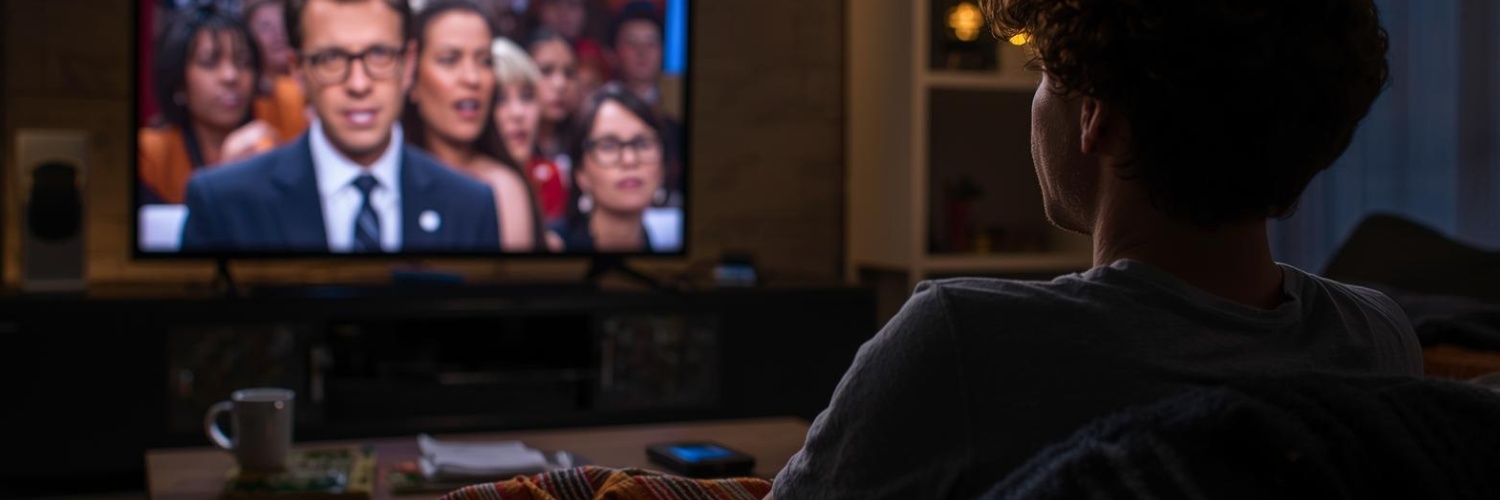
Image courtesy:Canva AI


Binge-watching has become one of the most popular ways people enjoy entertainment today. Whether it’s a gripping thriller, a comforting sitcom, or a trending series everyone is talking about, viewers often find it hard to stop after just one episode. But why is binge-watching so addictive? The answer lies in how our brains respond to storytelling, emotions, and instant gratification.
Also Read: Behind the Screen: How Streaming Algorithms Decide What You Watch Next
The Reward System That Makes Us Click “Next Episode”
When we watch a good show, our brains release dopamine, which is the “feel-good” chemical linked to pleasure and satisfaction. Each new episode continues with the excitement, suspense, or emotional connection, creating a cycle our brains want to repeat. Streaming platforms make this even easier with auto-play features, which keep the dopamine going without any effort. This reward loop is one of the biggest psychological reasons binge-watching feels so enjoyable.
Emotional Connection and Escapism
Another reason we love binge-watching is emotional attachment. Characters become familiar, and stories start to feel personal. People often turn to shows as a form of escape from daily stress or responsibilities. Binge-watching provides a temporary break and immerses viewers in a world that feels interesting, comforting, or thrilling. This emotional engagement keeps us watching episode after episode without realizing how much time has passed.
The Power of Cliffhangers
Cliffhangers are a major psychological trigger. When an episode ends with an unresolved moment, the brain craves closure. Instead of waiting a week, like in traditional TV, streaming allows viewers to get immediate answers. This “need to know what happens next” drives binge-watching behavior and keeps viewers hooked until the very end.
Also Read: Why We Love to Be Scared: The Psychology Behind Horror Entertainment
Social Pressure and FOMO
In today’s social media-driven world, people want to keep up with trending shows to join conversations, share opinions, or avoid spoilers. This creates a sense of urgency to finish a series quickly. Binge-watching has become a social trend, not just a personal habit. Fans feel excited to be part of a global discussion, which encourages them to watch more in less time.