Travel and Exploration
Augmented Reality Travel Guides: The Rise of Entertainment Technology in Tourism
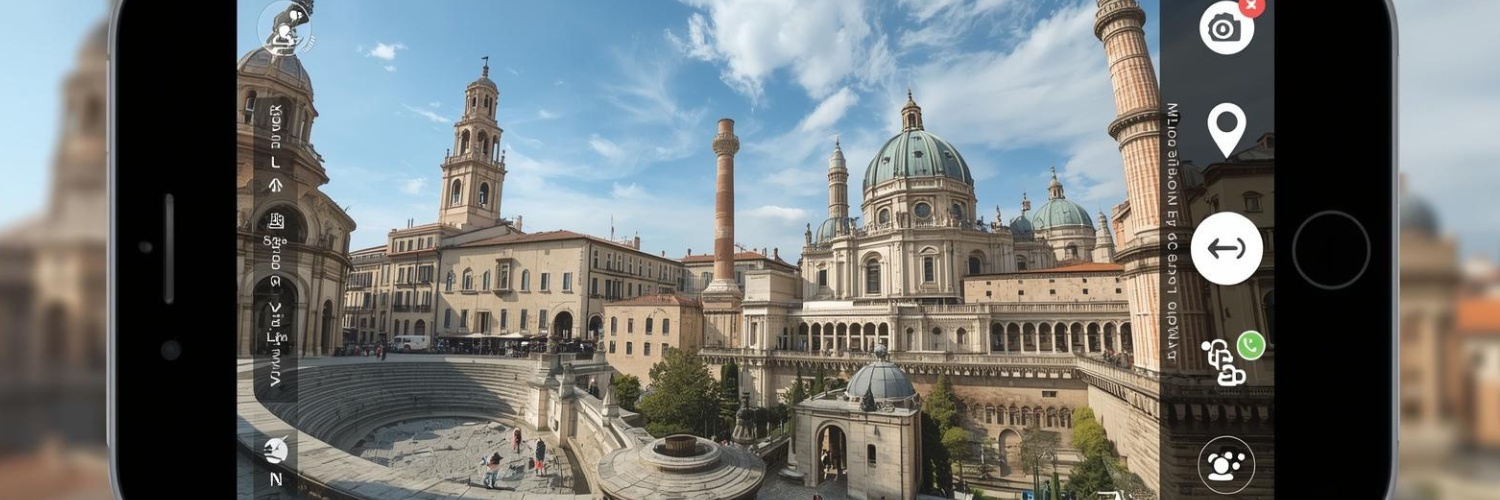
Image courtesy:Canva AI


Augmented reality travel guides are transforming how people explore the world. Instead of relying on static maps or printed brochures, travelers now interact with destinations in real time through their smartphones and wearable devices. At the center of this transformation lies entertainment technology, which blends digital experiences with physical locations to create immersive tourism journeys.
Tourism brands increasingly invest in entertainment technology to capture attention, enhance storytelling, and deliver personalized experiences. As travelers demand more engagement and convenience, augmented reality stands out as one of the most powerful applications of modern entertainment technology.
How Entertainment Technology Powers Augmented Reality Travel Guides
Augmented reality overlays digital content onto real-world environments. Travelers simply point their device at a landmark, and interactive information appears instantly. This seamless interaction is made possible by entertainment technology that integrates AR software, geolocation systems, and real-time data processing.
Tourism boards and travel apps use entertainment technology to create 3D reconstructions, animated guides, and multilingual narration. Instead of reading plaques, visitors watch history unfold before their eyes. This dynamic use of entertainment technology makes exploration more engaging and memorable.
Enhancing Cultural Storytelling Through Entertainment Technology
Modern travelers want stories, not just sightseeing. Augmented reality travel guides deliver layered narratives through entertainment technology. Historical figures can appear virtually, ancient ruins can be digitally rebuilt, and cultural festivals can come alive on-screen.
Museums and heritage sites now rely on entertainment technology to attract younger audiences. Interactive AR experiences increase visitor participation and improve knowledge retention. By combining education and immersion, entertainment technology turns passive tourists into active explorers.
Real-Time Navigation and Personalized Exploration
Navigation apps already guide travelers, but AR travel guides elevate the experience. Using entertainment technology, these platforms project arrows, directions, and recommendations directly onto the street view.
Travelers receive restaurant suggestions, hidden gem alerts, and event notifications tailored to their interests. This smart personalization shows how entertainment technology enhances convenience while maintaining excitement. Instead of following generic itineraries, tourists design unique journeys powered by entertainment technology.
Boosting Destination Marketing with Immersive Experiences
Tourism brands use entertainment technology to differentiate themselves in a competitive market. AR previews allow potential visitors to experience attractions virtually before booking trips.
Hotels, theme parks, and city tourism boards integrate entertainment technology into marketing campaigns to increase engagement and booking rates. Immersive digital previews build anticipation and emotional connection. As a result, entertainment technology strengthens both promotion strategies and on-ground experiences.
Also Read: Best Travel Destinations for First-Time International Travelers
The Future of Tourism Driven by Entertainment Technology
Augmented reality travel guides signal a major shift in tourism. As devices become more advanced, entertainment technology will integrate AI, spatial computing, and wearable AR glasses to deliver even richer experiences.
Travelers will explore destinations through interactive layers of history, culture, and entertainment powered entirely by entertainment technology. The tourism industry will continue adopting immersive tools to meet evolving expectations. By embracing entertainment technology, destinations can create smarter, more engaging, and unforgettable travel experiences that redefine exploration for the digital age.